Prevent Aikido, Martial Arts, and Sports Injuries!

Prevention of training injuries is far easier than fixing them afterwards.
To enjoy a healthy lifestyle we are urged to make physical activity a part of our daily lives. It is common knowledge that it reduces the risk of many illnesses, including heart disease, stroke, obesity, and diabetes.
Experiencing a good workout is also a highly effective way of managing stress, combating depression, and it can also be fun.
Unfortunately, taking part in any activity including Aikido, Martial Arts and any Sports training or activity increases the risk. The effects, apart from the pain involved, are stress and frustration at being unable to continue your training.
However a large percentage of accidents can be avoided and by learning how they occur, you can take positive action to prevent them.
The most obvious cause is over-training which can result in reduced performance, fatigue, less enthusiasm, and increased risk of injuries.
Also long-term problems that have been caused by years of poor lifestyle... breathing, drinking, eating, exercising, relaxing, negative thinking, work repetition and daily habits... all have an effect on us.
The human body is blessed with it's own built-in self healing mechanisms, but continuous abuse can undermine the healing process.
If You wish to avoid and reduce the possibility of aikido, martial arts and sports injuries, then you must approach your training in a Holistic Way.
To prevent potential problems...
Breathe deeply, focus your mind and relax your body. Warm-up before you exercise and cool-down gradually when you are finished. Build up your exercise programme gradually, steadily increasing the frequency, intensity and duration.
Vary your activities to get a good balance of muscular development. Maintain good general fitness, flexibility, and lower body strength. Be on your toes and pivot on the balls of the feet when you turn.
Remember that lack of focus and concentration on what you are doing increases the chances of mistakes. Trying 'Too Hard' can also lead to problems.
Aikido First Aid Kit shows you how to prevent training injuries and treat an injury. It's free with my Aikido Success Blueprint... a gold-mine of wisdom!
Best Training Principles
to Avoid Injuries
Exercise stresses the body and can cause problems, unless your activity, level of health, fitness and physical condition are taken into account.
Different training methods are used to develop strength, power, muscular endurance, cardiovascular efficiency, flexibility and coordination.
Exercise generates heat and sweating causes fluid loss of between 1-3 litres of water. If not replaced you can become dehydrated, and experience muscle cramps, nausea, headaches, dizziness, and weakness, leading to exhaustion.
How Can You Avoid Setbacks?
A good Warm-Up increases body temperature, making tissue more flexible and less prone to injury by tearing. It also raises the heart rate so fuel and oxygen is delivered more effectively to the muscles leading to a more skillful performance.
An effective warm-up can ensure peak performance as well as protection.
Correct Stretching requires attention to form and each stretch may need to be held for up to 30 seconds to get the optimum benefits.
Before and after Your chosen activity, breathe slowly and deeply while focusing on relaxing the muscles, without pain or strain in the joints.
A good Cool-Down will gradually reduce the intensity of the activity so that waste products can be removed more effectively. Deep breathing, relaxation and stretching will help in the reduction of muscles soreness.
Performing exercises using posture, alignment, and making correct movements, at the right pace are regarded as good form. To obtain and maintain good form requires guidance from an 'Expert' and a high degree of concentration.
When it comes to Aikido training a good instructor will include much of this criteria in their 'Planning & Strategy', so you will be protected.
They will have coaching certificates, a governing body, first aid qualification and a good understanding of the basic techniques, theory, principles, risk factors, and appropriate action to take in an emergency.
A particularly aware instructor will be able to 'See' potential accidents before they occur and take appropriate action. A gentle leading suggestion or an ear-splitting Ki-Ai to halt the class, in extreme cases.
Harmony of Mind-Body-Spirit
FREE Monthly Newsletter
Ancient Secrets, Master Strategies and Key Action Steps
Plus Free eBook on Health and Well-Being... Sign Up Now!

Aikido First Aid Kit shows you exactly how to prevent and treat injuries. Get it absolutely free with my Aikido Success Blueprint a gold-mine of wisdom!
Has this page been useful to YOU? It may benefit other people too! Please go ahead and pass it on - Share via the Link Bar below - many thanks!
Sick of the Elite Control System? Unplug from the Matrix Now!






Recent Articles


-
Sound Healing Treatments
Apr 25, 24 12:04 PM
 Book sound healing treatments, using a music therapy couch to balance your energy centres, you'll be relaxed, refreshed and experience renewed positive energy.
 -
Optimum Health Secrets
Apr 25, 24 11:42 AM
 Health secrets that you need to boost your energy and vitality. Here is an absolute gold-mine of practical info to change your life FAST!
 -
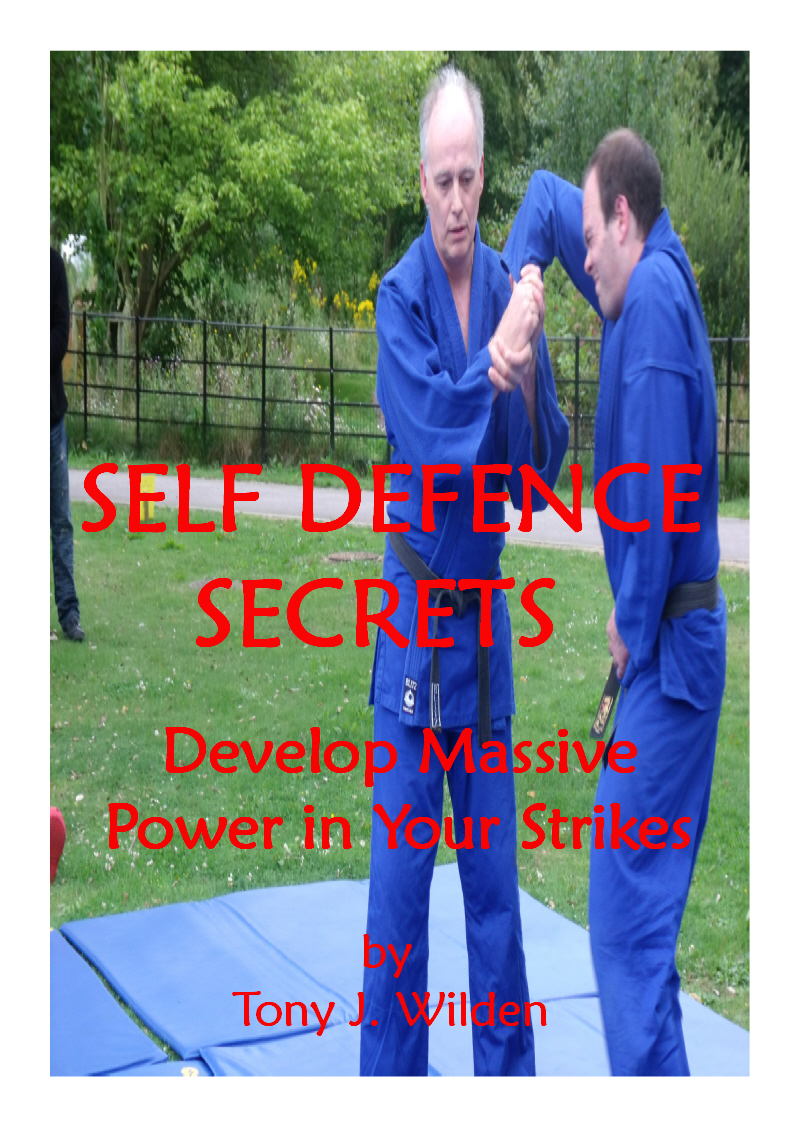
Self Defence Secrets
Apr 25, 24 11:35 AM
 Self Defence Secrets shows you how to double Your Power in just 3 Hours. You'll quickly gain powerful skills to easily protect yourself. Find out How!